
Mastering Lumber Selection for Your DIY Furniture Projects: Expert Tips from Shanty2Chic
Welcome back, DIY enthusiasts! Here at Shanty2Chic, Ash and I are thrilled to share our latest insights and answer the questions you’ve been asking. Each week, we receive hundreds of queries about our go-to tips and tricks for successful home projects. To make sure we address your most pressing concerns, we’ve started dedicating time on our YouTube channel to tackle these topics head-on. Today, we’re diving deep into one of the most fundamental yet frequently asked questions: how to choose the right lumber for your furniture projects. Grab a cup of coffee and join us in Whit’s kitchen for a casual chat that’s packed with valuable information!
Your questions fuel our content! Please don’t hesitate to comment below or email us with any woodworking or DIY dilemmas you have. This helps us plan future videos to address exactly what you need to know. For now, let’s jump into our essential Q&A session on lumber selection.
Lumber Q&A: Making the Best Choices for Your DIY Furniture
Choosing the right wood is the cornerstone of any successful furniture build. It impacts everything from the project’s durability and structural integrity to its final appearance and overall cost. A common mistake many beginners make is overlooking the critical steps involved in selecting quality lumber, which can lead to frustrating issues like warping, cracking, or an undesirable finish down the line. We cover these common pitfalls and more in our comprehensive video, but here’s a detailed breakdown of what you need to consider:
Watch Our Lumber Selection Q&A Video on YouTube!
Understanding Different Types of Wood for Furniture
The vast world of wood offers incredible variety, each type possessing unique characteristics that make it suitable for different furniture applications. Knowing the difference between hardwoods, softwoods, and engineered wood products is crucial for making an informed decision:
- Hardwoods: These come from deciduous trees (those that lose their leaves in autumn) and are generally denser, more durable, and often more expensive than softwoods. They are ideal for high-traffic furniture, heirloom pieces, and projects where longevity and aesthetic appeal are paramount.
- Oak: Known for its prominent grain and excellent durability, oak is a classic choice for furniture. Available in red and white varieties, it takes stains well.
- Maple: A very strong and dense wood with a fine, even grain. It’s often used for tabletops, cutting boards, and modern furniture due to its light color and smooth finish.
- Cherry: Valued for its rich, reddish-brown color that deepens with age. Cherry has a fine, straight grain and is relatively easy to work with, making it popular for fine furniture.
- Walnut: A highly prized dark wood known for its stunning grain patterns and rich, chocolate-brown hue. It’s strong and stable, often used for high-end furniture and accents.
- Poplar: A more economical hardwood, poplar is softer than most hardwoods but offers a consistent, fine grain. It’s an excellent choice for painted furniture or interior framing due to its smooth finish and affordability.
- Softwoods: Originating from coniferous trees (evergreens), softwoods are generally less dense and more affordable than hardwoods. They are often used for rustic furniture, framing, or projects where strength isn’t the absolute top priority.
- Pine: Widely available and budget-friendly, pine is a popular choice for rustic, farmhouse, or painted furniture. It’s easy to work with but can dent more easily than hardwoods.
- Fir & Spruce: Often used for construction framing, these woods can also be utilized for rustic furniture, particularly if you embrace their knotty character.
- Cedar: Known for its aromatic qualities and natural resistance to decay and insects, cedar is great for outdoor furniture or chests.
- Engineered Wood Products: These materials are manufactured from wood fibers, veneers, or particles, often offering greater stability and lower cost than solid wood.
- Plywood: Layers of wood veneer glued together, making it incredibly stable and resistant to warping. Ideal for cabinet backs, drawer bottoms, and large panels.
- MDF (Medium-Density Fiberboard): Made from wood fibers pressed under high pressure. It has a very smooth surface, making it excellent for painting, but it’s heavy and susceptible to water damage.
- Particle Board: Composed of wood chips pressed together. It’s the least expensive option but also the weakest and most prone to moisture damage. Best for internal components or very low-stress applications.
Key Considerations When Purchasing Lumber
Beyond the species, several critical factors will influence the quality and suitability of the lumber you choose for your DIY furniture projects:
- Moisture Content: This is paramount! Lumber should be kiln-dried to a moisture content of 6-8% for interior furniture. Wet wood (higher moisture content) will shrink, warp, or crack as it dries in your home, ruining your project. Always ask your supplier about the moisture content, and if possible, use a moisture meter to double-check.
- Wood Grade: Lumber is graded based on its appearance and structural integrity.
- Select/Clear Grades: These are virtually free of knots, defects, and sapwood, offering a pristine appearance suitable for fine furniture where the natural beauty of the wood is showcased.
- Common Grades (No. 1 Common, No. 2 Common, etc.): These grades allow for knots, mineral streaks, and other natural imperfections. They are often more affordable and perfect for rustic, farmhouse-style furniture, or projects where the wood will be painted.
- Straightness and Flatness: Carefully inspect each board for warps, twists, bows, and cups. Lumber that isn’t straight will make assembly incredibly difficult and compromise the structural integrity and appearance of your finished piece. Hold boards at eye level and sight down their length to check for imperfections.
- Grain Pattern: The grain pattern affects both aesthetics and strength. Consider how the grain will look in your finished piece. For structural components, aim for straighter grain.
- Cost vs. Budget: Your budget will often dictate your wood choices. Hardwoods can be significantly more expensive than softwoods or engineered products. Balance your desired outcome with what you can realistically afford. Starting with more affordable options like pine or poplar can be great for beginners.
- Sourcing: Whenever possible, try to source your lumber from reputable local lumberyards rather than big box stores. Lumberyards often have a wider selection, higher quality wood, and staff who are knowledgeable about their products and can offer valuable advice.
- Acclimation: Once you bring your lumber home, allow it to acclimate to your shop or home’s environment for a few days to a week before you start cutting. This gives the wood time to adjust to local humidity levels, further reducing the risk of movement after your project is built.
By taking the time to understand these principles, you’ll be well on your way to selecting the perfect lumber for any DIY furniture project, ensuring a beautiful, durable, and satisfying result. Remember, patience in the selection process pays off immensely in the long run.
Get Ready: Free Changing Table & Console Table Plans Coming Soon!
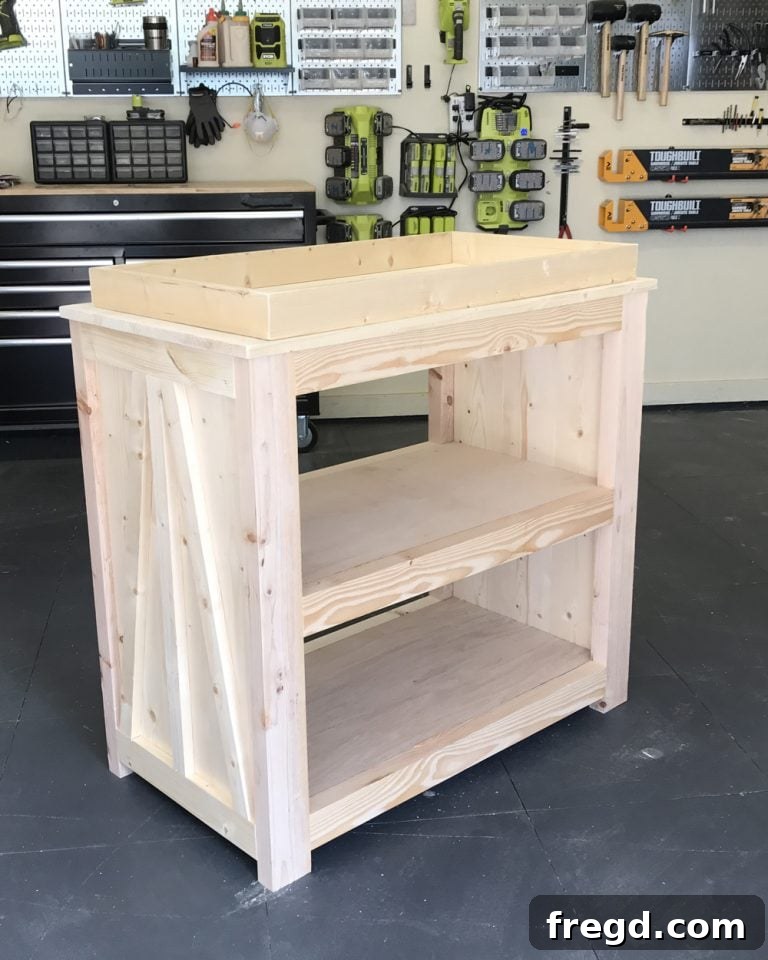
And now for some exciting news you won’t want to miss! Next week, we’re unveiling something truly special: FREE PLANS for an incredible DIY Changing Table! But wait, there’s more – this versatile piece is designed to easily double as a stylish console table, making it a fantastic addition to any home, long after the diaper days are over. Whether you’re furnishing a nursery or looking for a chic entryway or living room accent, this project is perfect.
We’ve designed this piece with ease of build in mind, making it an excellent project for both seasoned DIYers and those just starting their woodworking journey. Imagine creating a beautiful, functional piece of furniture that looks custom-made, all with our easy-to-follow instructions and zero cost for the plans!
Don’t let this amazing opportunity slip by! To ensure you’re the first to get your hands on these free plans the moment they drop, be sure to subscribe to our YouTube channel and our blog. You’ll receive instant notifications and never miss out on our latest projects, tips, and free resources. This changing table/console table project is not only functional but also a fantastic way to practice the lumber selection techniques we discussed today. You could choose an affordable softwood like pine for a painted finish, or a nicer hardwood like maple for a natural, elegant look.